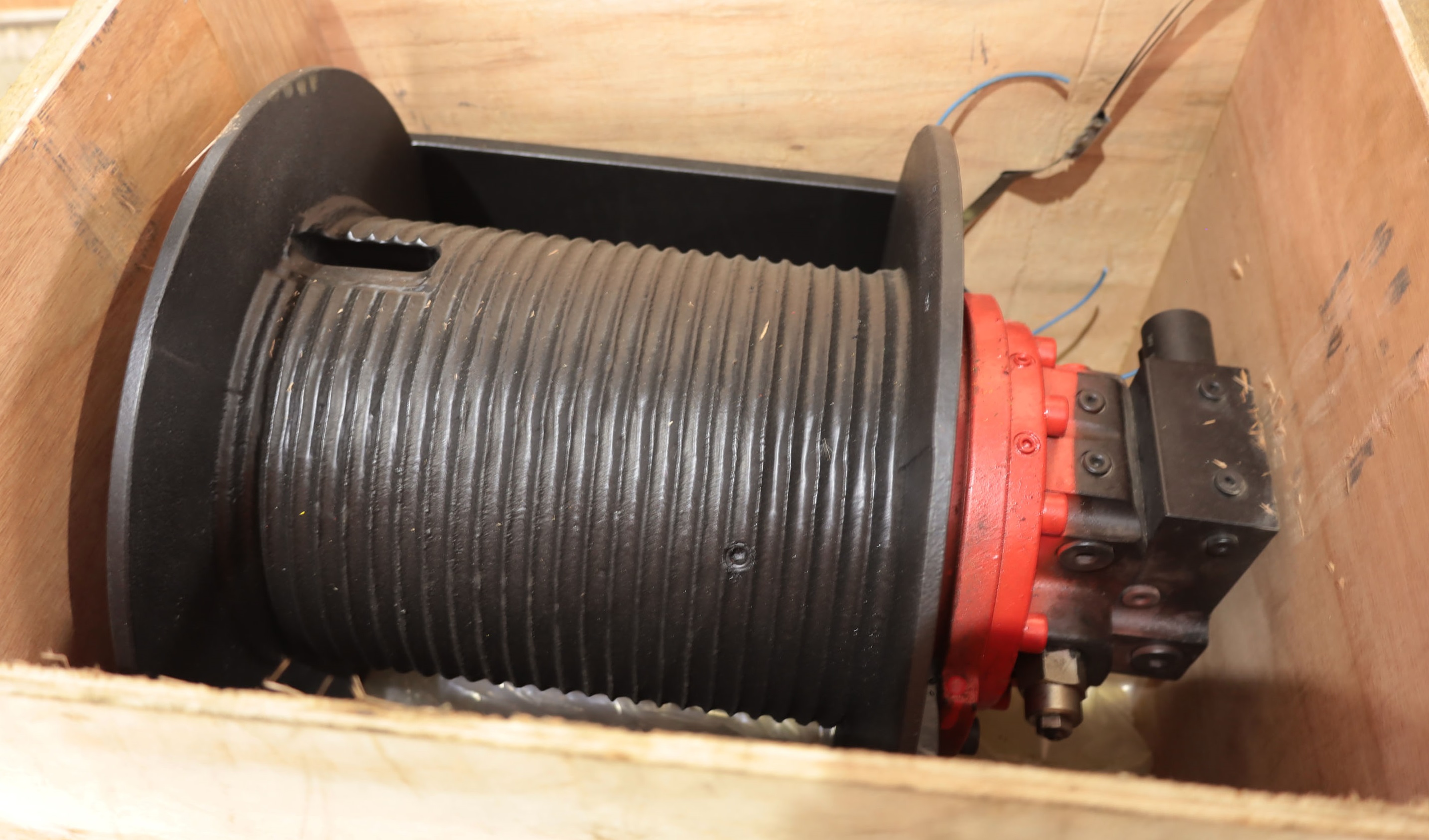
Concealed plunger motor winch
Concealed plunger motor winch
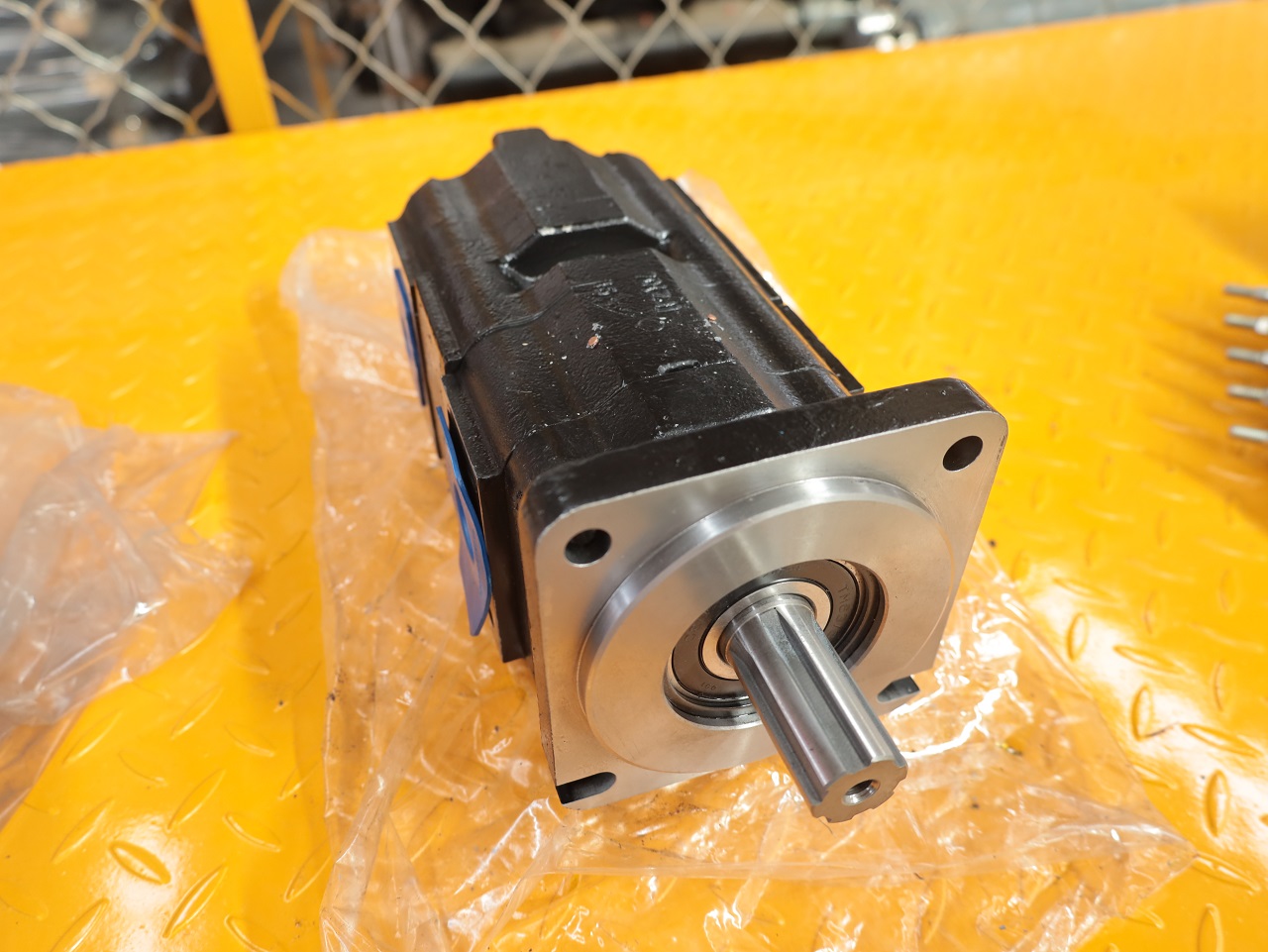
The internal principle and structure of axial piston pump. Its main components include: piston, cylinder body, inclined plate, shaft, and distribution plate. How does an axial piston pump work? What is the difference between inclined disc pump and inclined shaft pump?
1、 Classification of plunger pumps (motors):
The type of axial piston pump is the same as that of axial piston motor, and it is also divided into two types: straight axis axial piston pump and inclined axis axial piston pump.
Slant disc plunger pump: Each plunger moves back and forth once every rotation of the cylinder body, completing the suction and discharge work. By changing the tilt angle of the inclined plate, the effective variation of the sealing working volume can be altered to achieve pump variability.
2、 Structure and working principle of plunger pump (motor):
Core components and oil inlet and outlet conditions in axial piston pumps. Below is a brief introduction to the oil suction and discharge process of a single plunger.
When the plunger rotates to the highest position, the plunger hole has just finished sucking oil and is about to be discharged outward. This is the critical state for oil discharge to the outside:
The complete process of oil absorption and discharge. If the cylinder continues to rotate, the plunger will also continuously suck and drain oil.
Compared with the inclined disc axial piston pump, it has the following characteristics:
(1) The radial force acting on the plunger in the inclined shaft axial piston pump is very small, therefore
Allowing a large angle between the transmission shaft and the cylinder axis, resulting in a larger pump displacement.
(2) The overturning moment on the cylinder block is very small, and the end face of the cylinder block is in contact with the valve plate
Uniform, minimal leakage loss, and high volumetric efficiency; Low friction loss and mechanical efficiency
High.
(3) The structure is sturdy and has good impact resistance.
(4) Due to the significant axial and radial forces that the drive shaft of the inclined shaft pump must withstand
Strength requires the use of thrust bearings with high load-bearing capacity.
(5) The overall efficiency of the inclined shaft pump is slightly higher than that of the inclined plate pump. Inertia of moving parts
Large, slow dynamic response.