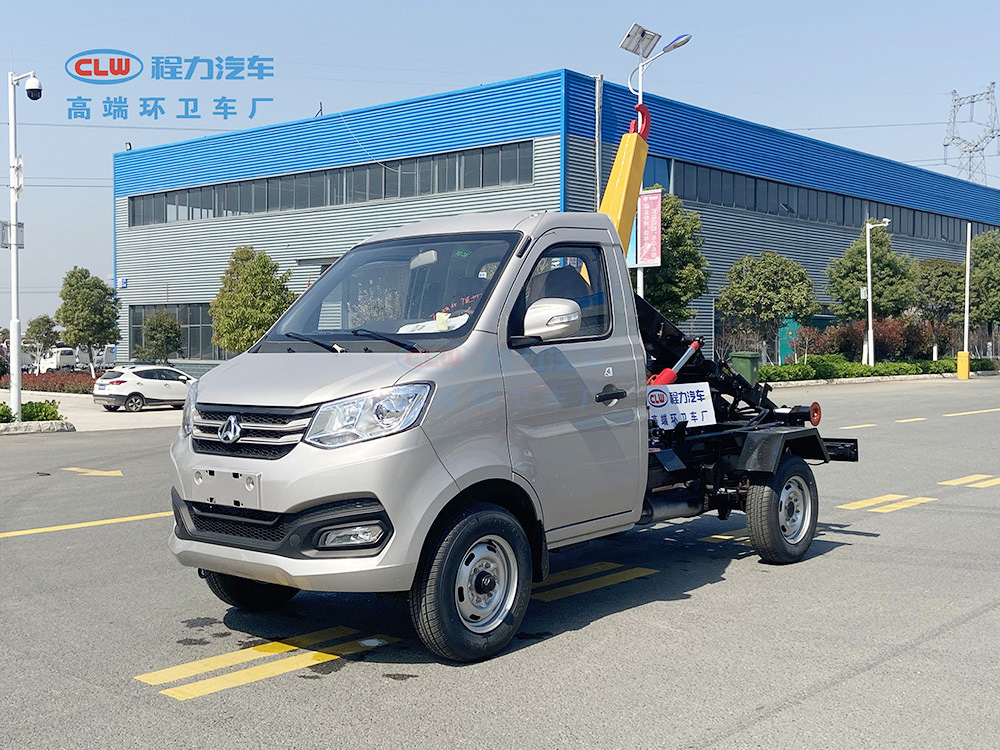
Garbage compaction: This is the core function of a compactor garbage truck, which reduces the volume of garbage through mechanical or hydraulic means.
Waste collection: The truck is designed to collect various types of waste from different locations, such as residential areas, commercial areas, and industrial zones.
Rear - loading or side - loading: These refer to the different ways of loading garbage into the truck. Rear - loading trucks are more common, while side - loading trucks are often used in narrow streets or areas with limited access.
Hydraulic system: The compaction and loading operations of the truck are usually powered by a hydraulic system, which provides the necessary force and control.
Containerized garbage: Many compactor garbage trucks are designed to work with containerized garbage, which can be easily loaded and unloaded.
Compaction ratio: This is an important parameter that indicates the degree to which the garbage is compressed. A higher compaction ratio means more garbage can be carried in the truck.
Emission standards: Like other vehicles, compactor garbage trucks need to meet certain emission standards to reduce environmental pollution.
Noise reduction: Since these trucks operate in urban areas, noise reduction is an important consideration to minimize the impact on the surrounding environment.
Driver's cab: The cab of the truck is designed to provide a comfortable and safe working environment for the driver.
Maintenance and repair: Regular maintenance and repair are necessary to ensure the normal operation of the compactor garbage truck and extend its service life.