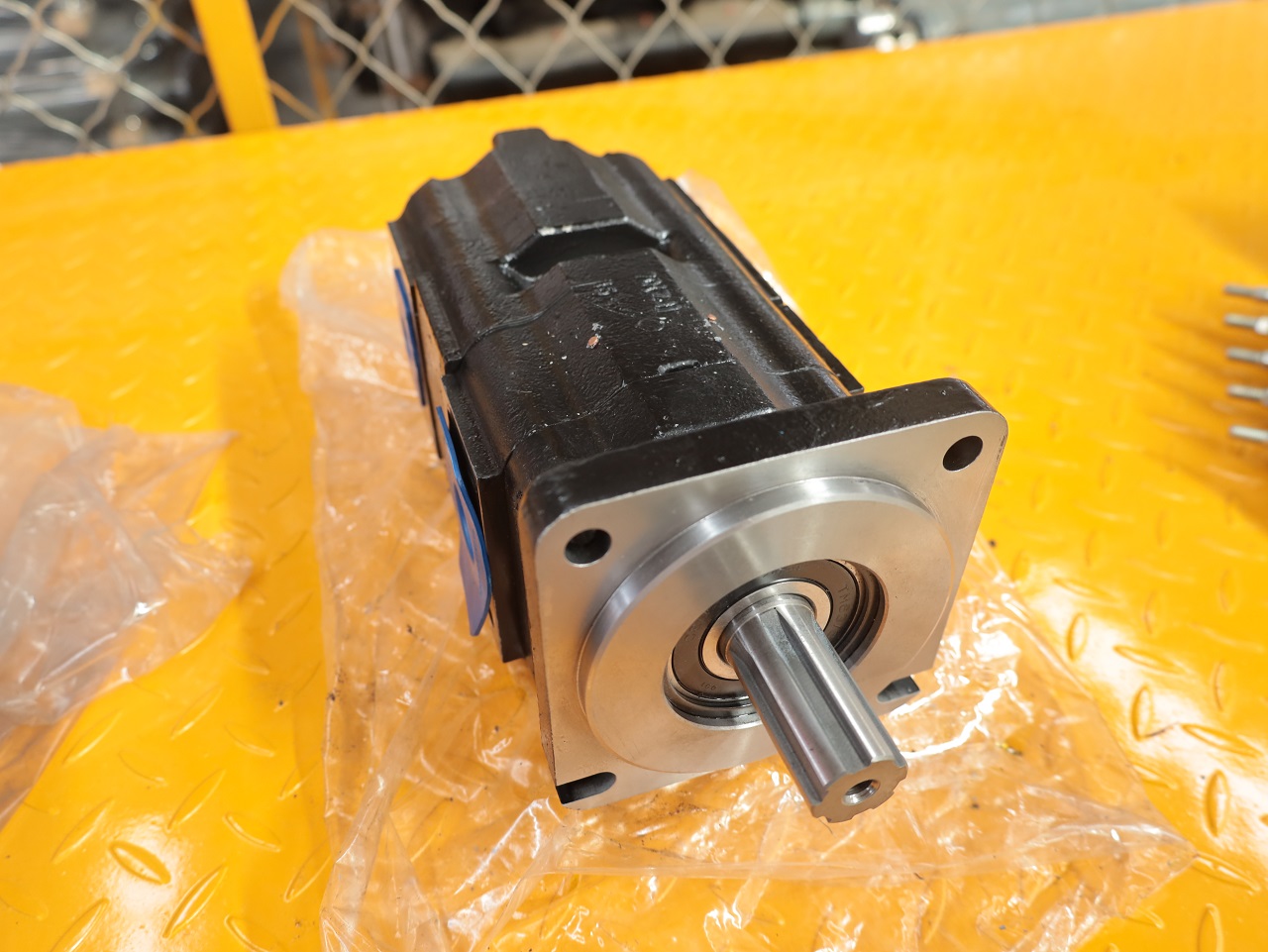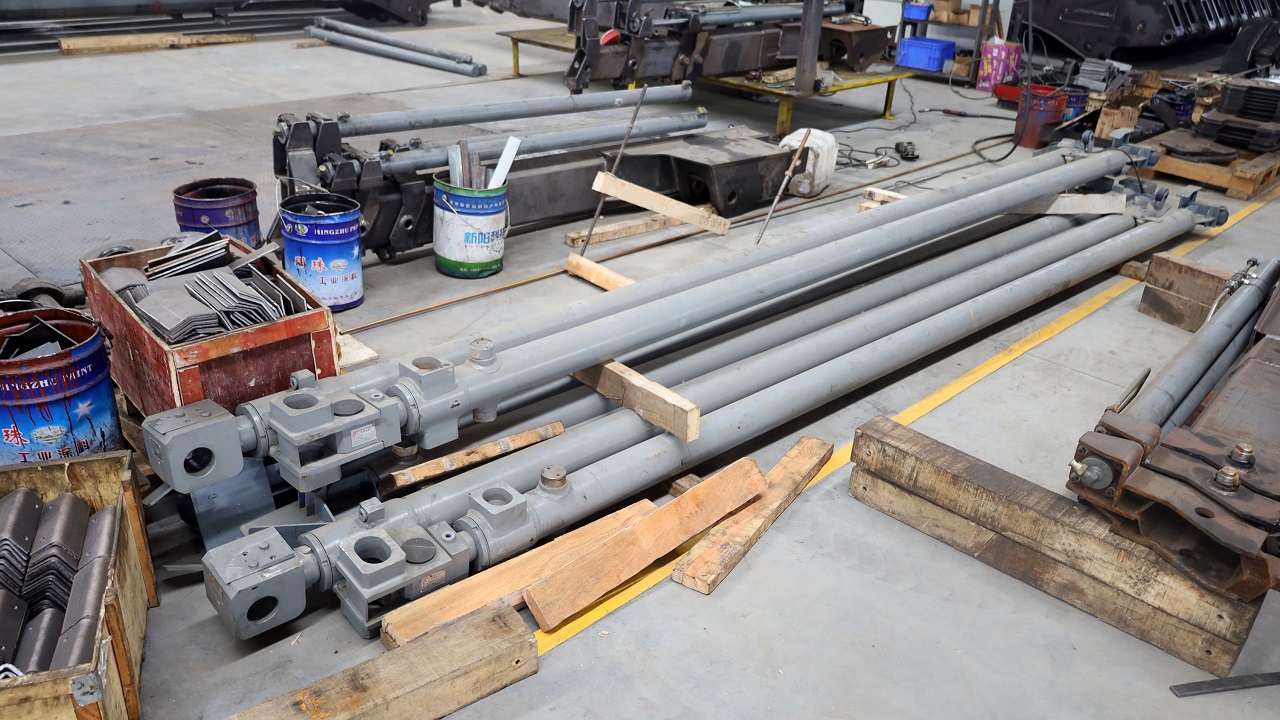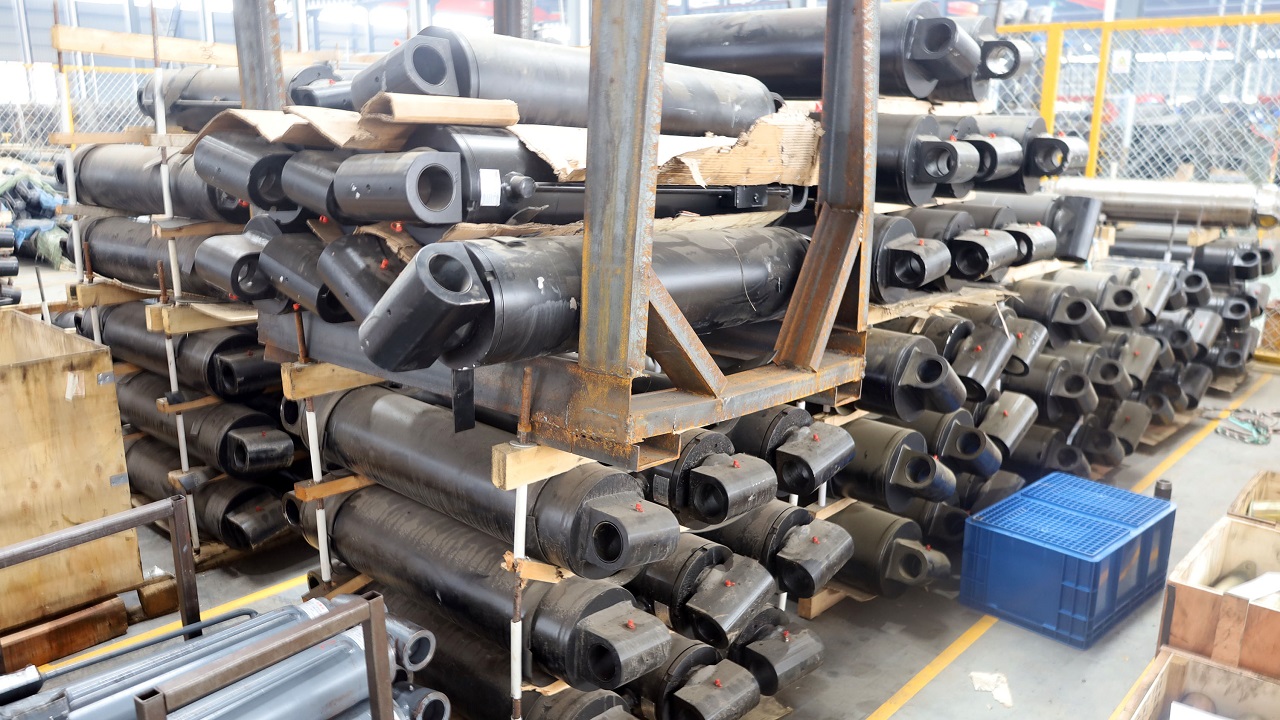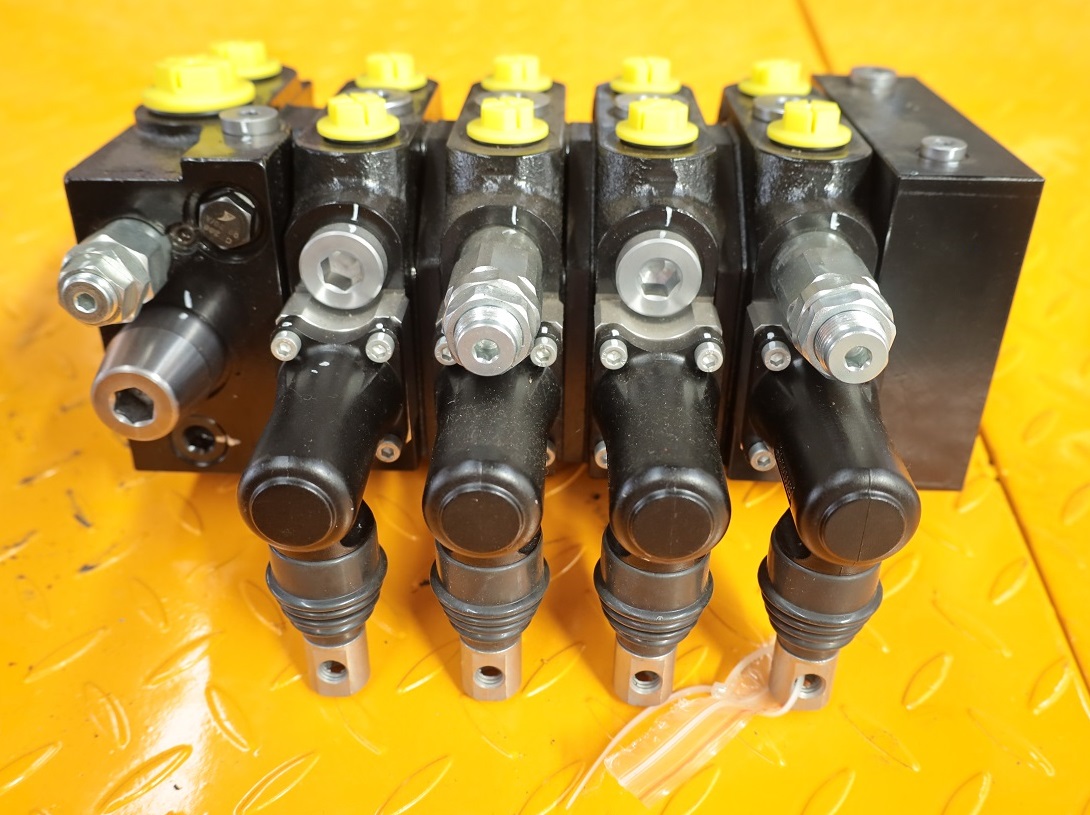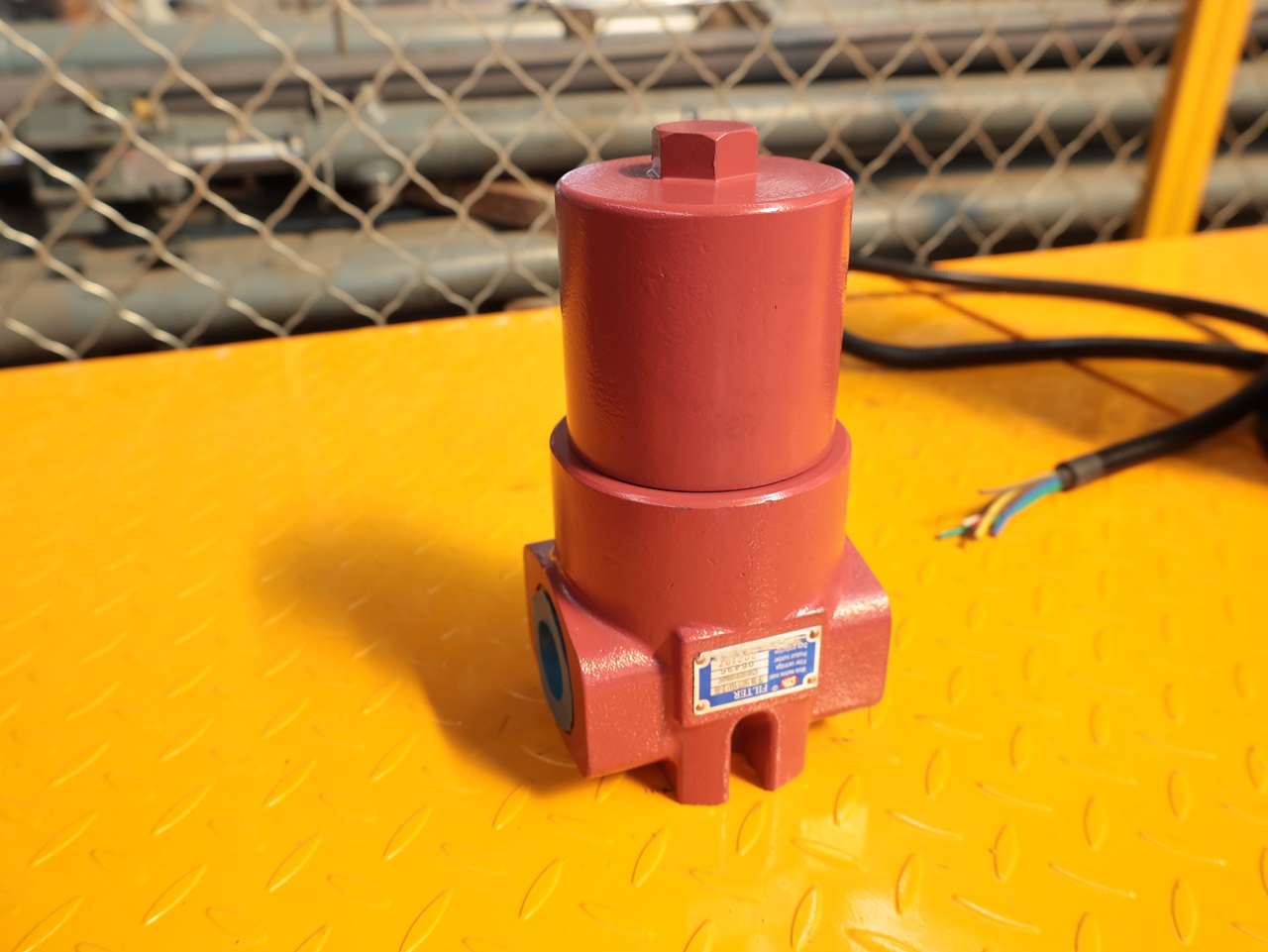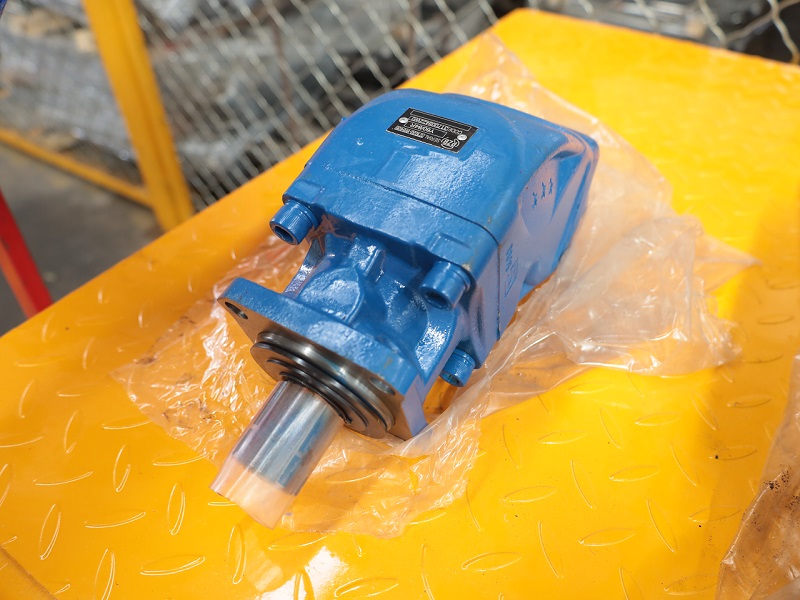
high-pressure plunger pump
Displacement Pump
High pressure plunger pump is a hydraulic device that relies on the reciprocating motion of the plunger in the cylinder body to achieve oil suction and pressure by changing the volume of the sealed working chamber.
This device has the advantages of high rated pressure, compact structure, high efficiency, and convenient flow regulation. It is widely used in high-pressure, high flow, and flow regulation applications, such as hydraulic presses, engineering machinery, and ships.
Chinese name: High pressure plunger pump
Use pressure of 10MPa~100MPa
Theoretical flow Qt=AsnZ
Actual traffic Q=Qt-Q
Characteristics of High Pressure Piston Pump
1. Instantaneous flow is pulsating
This is because in a plunger pump, the suction and discharge processes of liquid medium alternate, and the velocity of the piston is constantly changing during displacement. In a pump with only one working chamber, the instantaneous flow rate of the pump not only varies over time, but is also discontinuous. With the increase of working chambers, the fluctuation amplitude of instantaneous flow becomes smaller and smaller, and can even be considered turbulent flow in practical applications.
2. The average traffic is constant
In theory, the flow rate of a pump depends only on its main structural parameters n (number of reciprocating times per minute), S (piston stroke), D (piston diameter), Z (number of pistons), and is independent of the discharge pressure, as well as the physical and chemical properties such as temperature and viscosity of the conveying medium. So the flow rate of the pump is constant.
3. The pressure of the pump depends on the characteristics of the pipeline
The discharge pressure of a plunger pump cannot be limited by the pump itself, but depends on the pipeline characteristics of the pump device and is independent of the flow rate. That is to say, if the transported liquid is considered incompressible, then theoretically, the discharge pressure of the reciprocating pump can be assumed to be unrestricted, and any required discharge pressure of the pump can be established based on the pipeline characteristics of the pump device. Of course, all reciprocating pumps have a regulation on the discharge pressure of the pump. This does not mean that the discharge pressure of the pump will not rise again, but rather that due to the limitations of the rated power of the prime mover and the structural strength of the pump itself, it is not allowed to use it beyond this discharge pressure.
4. Strong adaptability to conveying media
Piston pumps can transport any medium in principle, almost without being limited by the physical and chemical properties of the medium. Of course, due to limitations in the materials and manufacturing processes of the hydraulic end, as well as sealing technology, sometimes there may be situations where it cannot be adapted.
5. Has good self-priming performance
Piston pumps not only have good suction performance, but also good self-priming performance. Therefore, for most reciprocating pumps, there is usually no need to pump before starting. Machine efficiency is high and energy-saving.
Flow rate of high-pressure plunger pump
Theoretical flow rate of the pump: Qt=AsnZ
Theoretical flow rate of Qt pump in the formula; The cross-sectional area of the A plunger (or piston); S itinerary; N crankshaft speed (or the number of reciprocating times per minute of the plunger) Z coupling number (number of plungers or pistons)
Actual flow rate of the pump: Q=Qt-Q。
The flow rate of Q pump in the equation; Theoretical flow rate of Qt pump; Flow loss of Q pump. The factors causing flow loss of the pump include: volume loss caused by liquid compression or expansion; Volume loss caused by valve hysteresis when closed; The volume loss caused by leakage through the sealing surface due to the valve not being tightly closed; Volume loss caused by leakage through plungers, piston rods, or piston rings. 7. Instantaneous flow rate of the pump